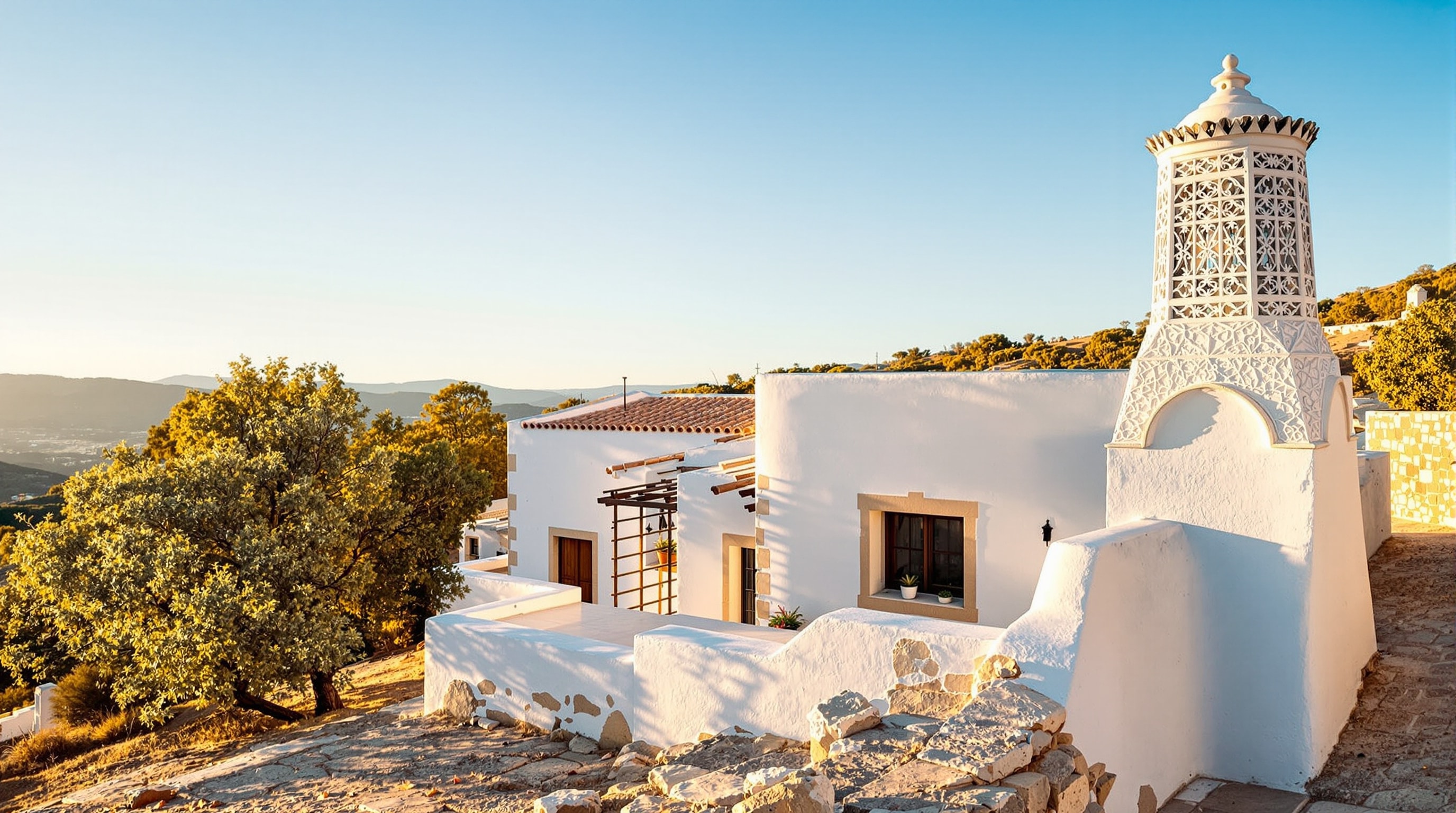
The Algarve is the one Portuguese region where a guide to manor houses has to begin by explaining an absence. There are very few here, they are concentrated inland rather than on the coast, and the reasons — historical, seismic and economic — say a good deal about how the region came to look the way it does.
Why So Few
Three things worked against the Algarve. First, it was the last part of the country reconquered from Muslim rule, in 1249, and remained culturally and administratively distinct long afterwards — it was styled a separate kingdom in the royal title until the nineteenth century. The Portuguese landed nobility of the great house-building centuries was overwhelmingly northern.
Second, the wealthy of that period actively preferred the cool, green north. A summer in the Algarve before mechanical cooling was something to be endured, not sought; the fashion for southern sun is a twentieth-century invention that arrived with air conditioning and cheap flights.
Third, and decisively, the earthquake and tsunami of 1 November 1755 devastated the region. Lagos, Faro, Portimão and Albufeira were wrecked. Whatever noble housing stock the Algarve had before that date, very little of it came through, and the rebuilding was done in a plainer, cheaper idiom by a population with other priorities.
What Survives
What there is lies mostly inland, in the limestone belt the region calls the Barrocal — a band of low hills between the coastal strip and the mountains, planted with almond, carob, fig and olive. Houses here are single-storey and whitewashed, with the flat roof terraces and lace-like carved chimneys that are the Algarve's one unmistakable architectural signature. The chimneys are worth looking at properly: no two are alike, and the tradition of competitive chimney-building is genuinely old.
The most conspicuous exception to the general modesty is the eighteenth-century palace at Estoi, north of Faro — a small rococo country palace with tiled terraces, statuary and formal gardens, restored and now in public-facing use. Near it lie the Roman ruins of Milreu, with the remains of a substantial villa and a temple converted to a Christian basilica in the fourth century, which is a useful reminder that the tradition of the wealthy country house in this region is very much older than the Portuguese nation.
The Serra and the West
North of the Barrocal the land rises into the schist hills of the Serra de Monchique and Serra do Caldeirão: cork oak, eucalyptus, hot springs at Caldas de Monchique, and small villages that were among the poorest in Portugal within living memory. The architecture is vernacular rather than noble, but the country is beautiful and almost empty.
The western Algarve, around Sagres and the Costa Vicentina, is another matter again — a windswept Atlantic coast of cliffs and cold surf, protected as a natural park, and the point from which the fifteenth-century voyages of exploration were organised. The much-mythologised "school of navigation" at Sagres has little archaeological support, but the strategic logic of the place is obvious the moment you stand on the headland.
The Eastern Coast
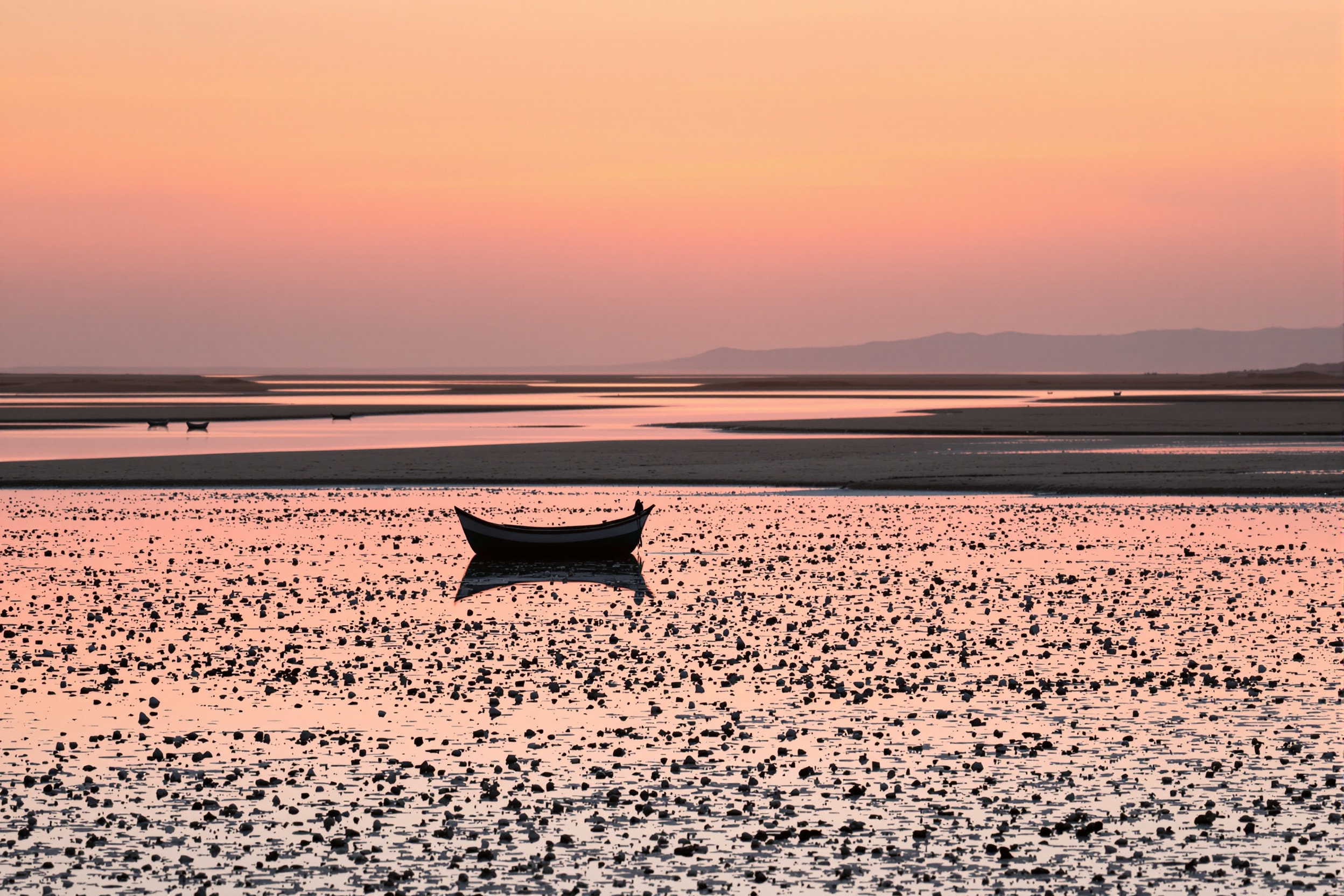
East of Faro the coast changes character completely. The Ria Formosa is a lagoon system of barrier islands, salt pans and tidal channels running for sixty kilometres to the Spanish border — a natural park, an internationally important site for wading birds, and the source of most of Portugal's clams. The towns behind it, Olhão, Tavira and Vila Real de Santo António, kept more of their historic fabric than the central resort strip. Tavira in particular, with its Roman bridge, its castle and its Renaissance churches, is the most attractive town on the Algarve coast.
Staying in the Region
Accommodation in the Algarve is overwhelmingly modern: hotels, apartments and villas built for a beach market since the 1960s. Genuine Turismo de Habitação properties are scarce, and most inland heritage lodging falls into the agroturismo or casa de campo categories — converted farmhouses rather than noble seats.
That is not a criticism of the region so much as a description of it. Travellers who come to the Algarve specifically for manor houses will find more of what they are looking for two hours north in the Alentejo; those who come for the coast and want a night or two of heritage inland will find the Barrocal and the Serra rewarding. See the orientation page for distances and the journey page for seasons.