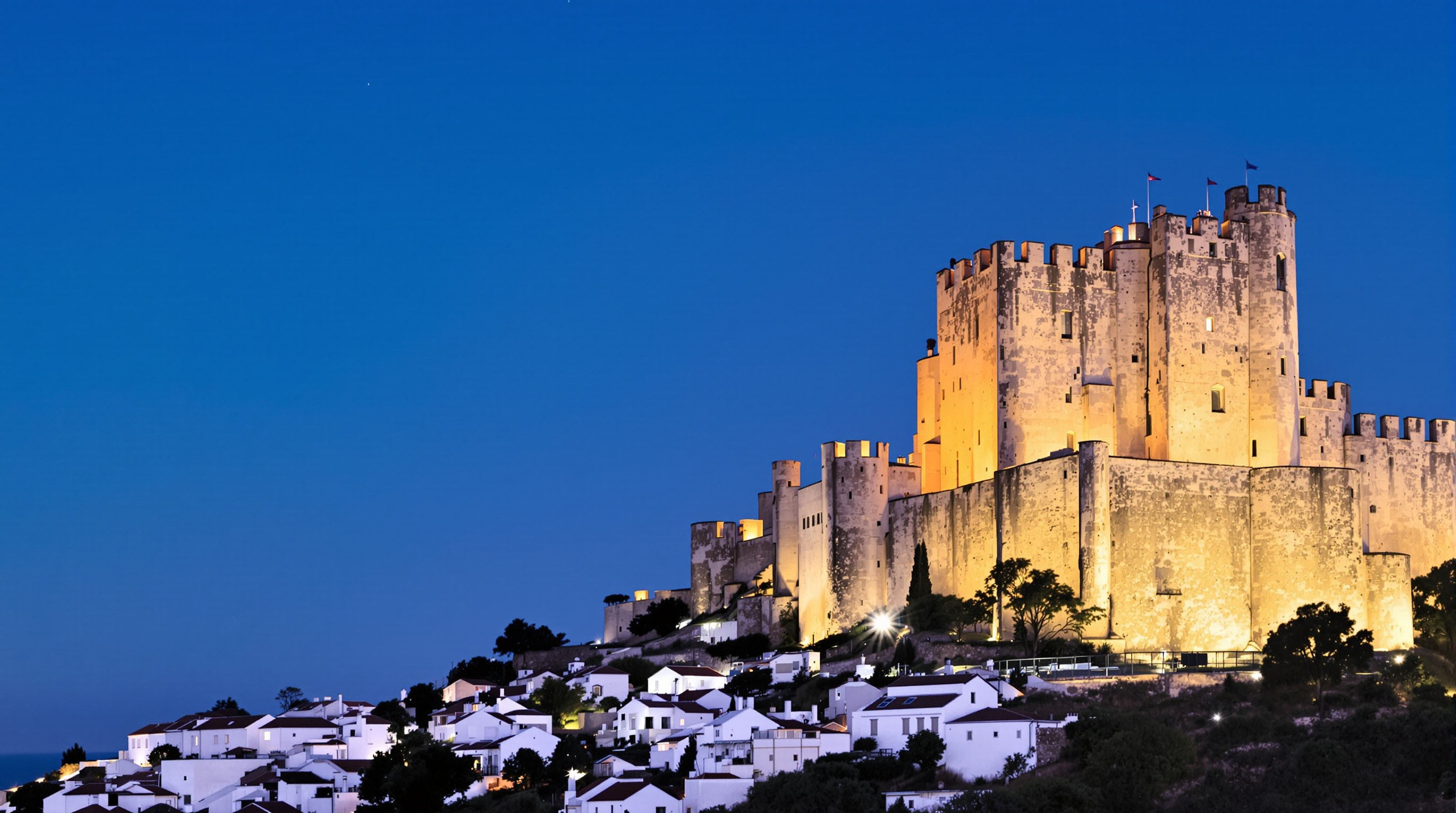
A pousada is simply an inn — the word is the ordinary Portuguese noun for a resting place. But since the 1940s it has also described a specific national programme: state-sponsored lodgings, many of them installed in castles, convents and monasteries that had no other future. It is the public counterpart to the private-house tradition described elsewhere on this site, and the two are frequently confused.
Origins
The network began in 1942, at a moment when Portugal had very little tourist accommodation outside Lisbon, Porto and the spa towns. The founding idea, borrowed in part from the Spanish parador programme launched a decade earlier, was that the state would build or adapt small inns in places where the market would not: scenic regions, historic towns and remote frontier country.
The first generation were purpose-built regional houses in vernacular style — modest buildings intended to look as though they belonged. The far more ambitious phase came later, when the state began installing lodgings inside monuments it already owned and could not otherwise afford to maintain: hilltop castles, dissolved monasteries, fortress keeps.
The Three Kinds
The network as it stands falls into three recognisable types, and knowing which you are looking at matters more than the star rating.
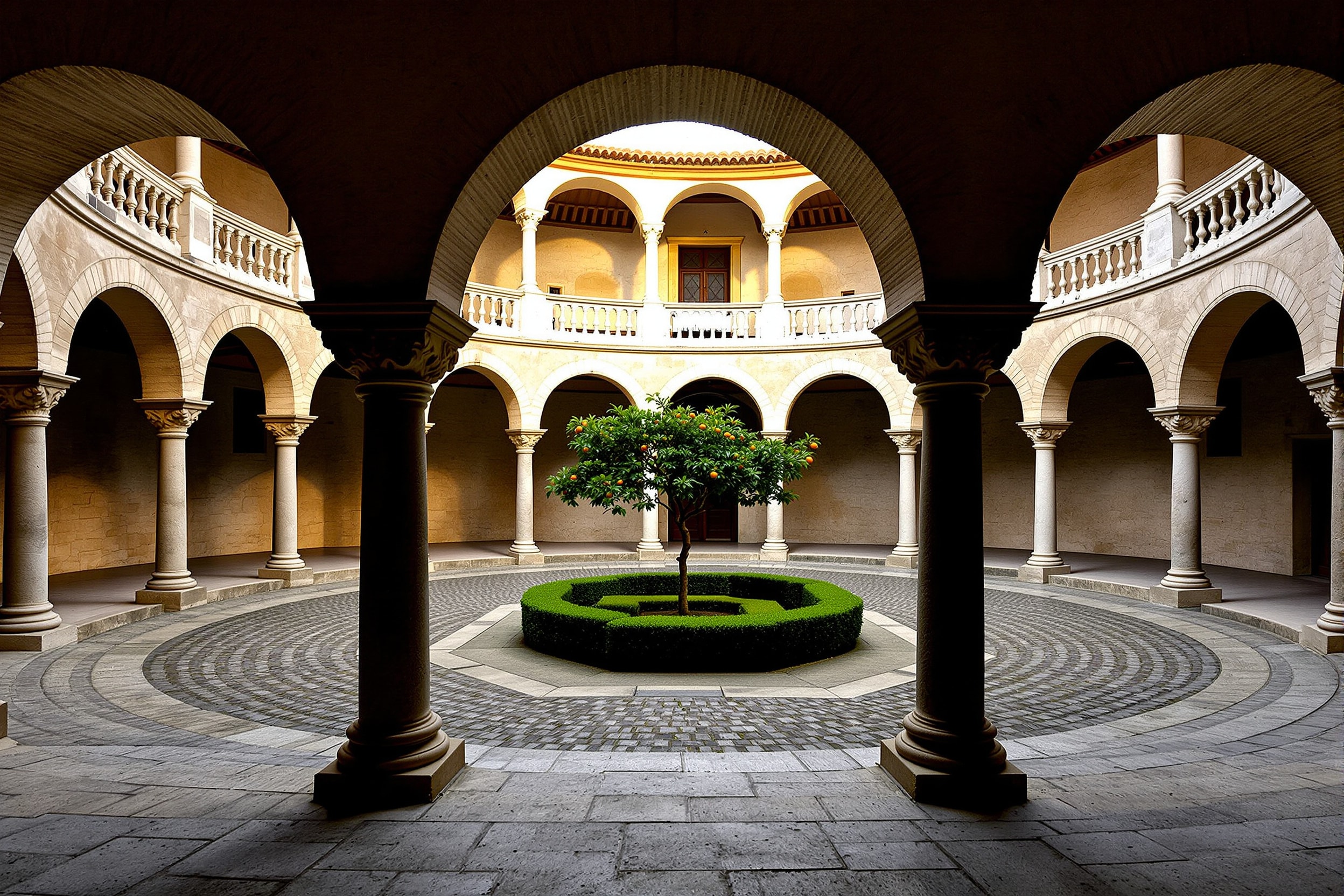
- Historic monuments — the flagship conversions. Castles, convents, monasteries and palaces adapted to receive guests. Architecturally the most interesting and, inevitably, the most compromised: fitting bathrooms into a thirteenth-century keep involves decisions that not everyone agrees with.
- Regional houses — the original vernacular buildings of the 1940s and 1950s, in the local idiom of their region. Small, unpretentious and often in wonderful positions.
- Nature and charm properties — later additions in scenic locations, generally modern buildings or light conversions of farm structures.
How They Differ from Manor Houses
This is the distinction that matters for anyone planning a trip. A pousada is a hotel: professionally staffed, with a reception, a restaurant open to non-residents, standardised service and a room count in the dozens. A Turismo de Habitação house is a private home with a handful of guest rooms and the owner in residence.
Neither is better. They are different products with different failure modes. A pousada gives you a monument to sleep in, reliable standards, dinner without leaving the building and nobody to talk to. A manor house gives you a family's home, a conversation, breakfast at a table with other guests and a real chance that the shower is temperamental. Many good itineraries alternate between them.
Geography also pushes you one way or the other. In the Alto Minho the private houses dominate. In the Alentejo, where there were few manor houses to begin with but a great many castles, the pousadas carry most of the heritage lodging.
The Conservation Argument
Installing hotels in monuments is contentious and always has been. The case against is straightforward: adaptation damages fabric, commercial pressure distorts presentation, and a paying guest in a cloister excludes the public from it.
The case for is the buildings themselves. A dissolved monastery in a small inland town has no congregation, no institutional owner and no realistic museum audience; the alternative to adaptive reuse is usually not careful conservation but slow ruin. Portugal has a very large stock of such buildings relative to its population and public finances, and the network kept a meaningful number of them roofed, heated and structurally maintained through decades when nothing else would have.
The more interesting conversions treat the intervention as visibly modern rather than pretending to be historic — new work in steel, glass and concrete, clearly dated, inserted into old fabric without imitation. That approach is now standard practice in Portuguese heritage architecture and the country does it unusually well.
Related Public Heritage
Several of the great monuments mentioned throughout this guide are in public museum use rather than lodging use, and are simply open to visitors: the ducal palace at Guimarães, the National Palace and the romantic palaces at Sintra, the ducal palace at Vila Viçosa and the palace-convent at Mafra among them. Turismo de Portugal publishes current opening arrangements; because these change with the season, we do not reproduce them here.
See also our page on UNESCO World Heritage sites and how they map onto the manor regions.